

What is matcha?
Matcha is a finely ground Japanese green tea made from shade-grown tea leaves. Unlike conventional steeped tea, matcha is whisked directly into water, so the whole leaf is consumed.
Its distinctive emerald color, creamy texture, natural sweetness, and umami flavor come from a specialised cultivation and production process developed over centuries in Japan.

How matcha is grown
Unlike ordinary green tea, authentic Japanese matcha undergoes a unique cultivation process that has remained largely unchanged for centuries. Every step — from shading the tea bushes to stone grinding the leaves — influences the final flavor, color, texture, and aroma.
-

Shade growing
Several weeks before harvest, the tea plants are covered to reduce direct sunlight. This increases chlorophyll and amino acids, giving matcha its deep green color, natural sweetness, and umami taste.
-

Harvesting the young leaves
The youngest and most tender leaves are selected for premium matcha. First-harvest leaves usually have a smoother taste and lower astringency.
-

Steaming the fresh leaves
The freshly harvested leaves are briefly steamed to prevent oxidation. This helps preserve their bright color and fresh vegetal aroma.
-

Creating tencha
After drying, the stems and veins are removed. The remaining soft leaf material is called tencha.
-

Traditional stone grinding
Tencha is slowly ground into a fine powder using granite stone mills. The slow process helps preserve the color, aroma, and delicate flavor of the tea.
-

From Uji to your cup
Every cup of Matcha Forest begins in the tea fields of Uji, Kyoto. From careful cultivation and traditional stone grinding to direct delivery from Japan, this is the same authentic matcha that ends up in your bowl or latte.


What does matcha taste like?
High-quality matcha has a smooth, naturally sweet taste with a soft, well-balanced profile and a creamy texture. It should feel gentle on the palate, with a clean, slightly vegetal finish and minimal bitterness.

How to recognize high-quality matcha:
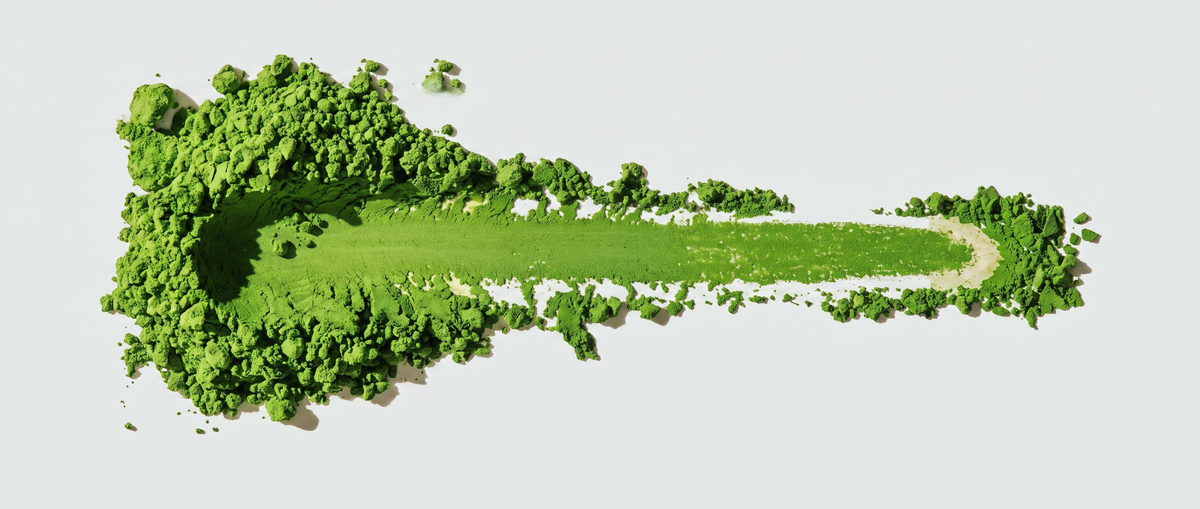
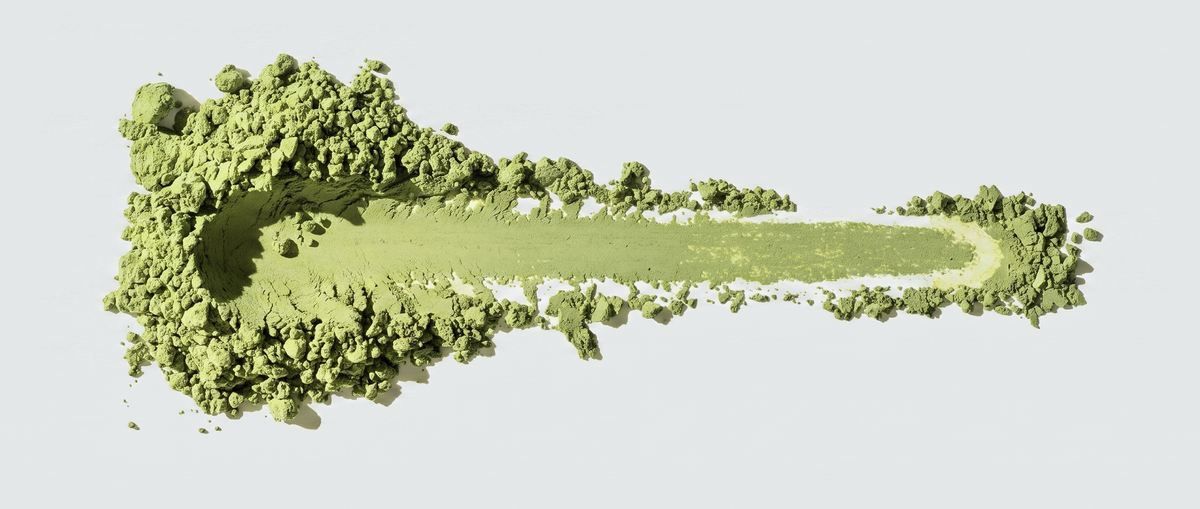
Color
High-quality matcha usually has a fresh, vibrant green color, which reflects careful shading, harvesting, processing, and storage. However, color alone does not guarantee quality: an unusually bright shade may sometimes be misleading. Evaluate matcha by its color together with its aroma, texture, taste, origin, and freshness.
Aroma
Fresh matcha should have a clean, expressive aroma. Depending on the cultivar, harvest, and production method, it may reveal sweet, creamy, vegetal, nutty, floral, fruity, coconut, woody, or caramel-like notes. It should not smell stale, musty, strongly fishy, or unpleasantly seaweed-like.
Texture
Traditionally stone-milled matcha has an exceptionally fine, smooth, and silky texture. The powder should feel soft rather than coarse or grainy. Once whisked, high-quality matcha creates a uniform drink with a delicate mouthfeel, although some natural sediment is normal because the whole tea leaf is consumed.
Taste
High-quality matcha has a balanced, layered taste with natural sweetness, savoury umami, gentle vegetal notes, and a clean, lingering finish. A slight bitterness or astringency can be natural, but it should not dominate the cup or feel harsh, excessively dry, or unpleasant.
Origin
Japan is the traditional home of matcha, but the country or region alone does not guarantee quality. Uji in Kyoto is especially renowned for its tea-making heritage, while excellent matcha is also produced in regions such as Fukuoka, Aichi, Kagoshima, and Shizuoka. Look for transparent information about the producer, growing region, harvest, cultivar, and processing method.

Matcha grades
While there is no official grading system for matcha in Japan, terms such as ceremonial and standard are widely used to describe its quality, flavor, and intended use.
-

High ceremonial grade
Made from the youngest and most carefully selected leaves, high ceremonial matcha offers exceptional sweetness, rich umami, and an incredibly smooth finish. It is traditionally enjoyed with water, allowing its delicate flavor profile to be fully appreciated.
-

Ceremonial grade
Ceremonial matcha is crafted for everyday enjoyment while maintaining a balanced, refined character. It combines natural sweetness, gentle umami, and light astringency, making it suitable both for traditional preparation and premium matcha lattes.
-

Standard grade
Standard matcha is produced to retain its vibrant color and distinctive flavor when mixed with milk or other ingredients. Its stronger, more robust profile makes it an excellent choice for desserts, smoothies, and baking.


No grade is inherently “better” than another — each is created for a different purpose. The best choice depends on how you plan to enjoy your matcha.
Benefits of matcha

Rich in antioxidants
🌱 Matcha naturally contains catechins, including EGCG — plant compounds known for their antioxidant properties. Unlike traditionally brewed green tea, matcha is made by consuming the whole powdered tea leaf, allowing more of its naturally occurring compounds to remain in the drink.
Contains L-theanine
👀 Matcha is a natural source of L-theanine, an amino acid associated with tea’s characteristic umami taste. Together with caffeine, it can support a state of calm alertness, making matcha a popular choice for concentration, work, and mindful daily rituals.
Balanced source of caffeine
⚡️ Matcha naturally contains caffeine, but its effect is often experienced as smoother and more gradual than coffee. The combination of caffeine and L-theanine may help maintain alertness without the sharp rise and sudden drop that some people associate with other caffeinated drinks. Individual responses may vary.
Supports daily routine
🍵 Preparing matcha can become a simple pause within a busy day. It can be enjoyed traditionally with water, prepared as a matcha latte, or added to smoothies and recipes, making it easy to adapt to different routines and personal preferences.
Shade-grown for quality
Before harvest, tea plants intended for matcha are shaded from direct sunlight. This traditional cultivation method changes the composition of the leaves, helping preserve chlorophyll and increase certain amino acids, including L-theanine. It contributes to matcha’s vibrant green color, pronounced umami, and smoother, less astringent taste.
Matcha vs Regular green tea
Although both come from the Camellia sinensis plant, matcha and regular green tea are produced and enjoyed in very different ways.
-

MATCHA
Matcha is made from shade-grown tea leaves that are carefully processed into an ultra-fine powder. Instead of steeping the leaves, the powder is whisked directly into water, allowing you to enjoy the entire tea leaf. This creates a rich, creamy texture with pronounced umami, natural sweetness, and a vibrant emerald-green color.
-

REGULAR GREEN TEA
Regular green tea is prepared by steeping whole leaves in hot water, which are then removed before drinking. Most green teas are grown in full sunlight, resulting in a lighter-bodied infusion with a fresh, delicate flavor and a more subtle aroma. While both teas come from the same plant, their cultivation, preparation, and tasting experience are distinctly different.


How to make the perfect matcha
-

Sift the matcha
Sifting removes small clumps that naturally form in finely ground matcha. This helps the powder dissolve more evenly, creating a smoother texture and a finer layer of foam.
-

Use the right amount
For a traditional serving, use 1–2 g (about ½–1 teaspoon) of matcha. In Japan, cafés often use 3–4 g for a more intense flavor and richer body, especially in premium matcha lattes and matcha shots.
-

Water temperature
Use water between 75–85°C (167–185°F). Delicate, high-ceremonial grades are often best prepared at around 70°C, while other ceremonial matcha can be enjoyed at up to 80°C. Always check the recommended brewing temperature for your matcha.
-

Whisk properly
Use a traditional bamboo whisk (chasen) and whisk quickly in a W or M motion until a smooth layer of fine foam forms on the surface. Avoid stirring in circles, as this will not properly aerate the matcha.
-

Choose your milk
For matcha lattes, we recommend plant-based milk, as it complements rather than overpowers the delicate flavor of matcha. In Japan, however, matcha lattes are traditionally prepared with regular cow’s milk, while oat milk is the most common plant-based alternative.


How to make matcha latte?
You will need:
- 1–2 g matcha
- 30–50 ml water (75–85°C)
- 150–200 ml milk (warm or cold)
Preparation:
Whisk matcha with water until smooth and lightly foamy. Add warm or cold milk and stir gently.
For a slightly sweeter taste, you can add a small amount of sweetener if desired.
Discover Japanese matcha
Looking to experience high-quality matcha? Explore our carefully selected collection of Japanese teas sourced directly from Uji.
FAQ
What is matcha?
Matcha is finely ground powder made from specially shade-grown Japanese green tea leaves. Unlike regular tea, you whisk the whole leaf into water and drink it entirely — which is why matcha delivers more flavor, more antioxidants, and its signature vibrant green color.
How is matcha different from regular green tea?
With regular green tea, you steep the leaves and throw them away. With matcha, the leaves are stone-ground into powder and consumed whole. This gives matcha a richer taste, a smoother energy, and far more of the nutrients found in the leaf.
What are the different grades of matcha?
We offer three grades. High ceremonial is our finest — the smoothest, most delicate matcha, made for drinking on its own. Ceremonial is an excellent everyday drinking grade, perfect for lattes and traditional preparation. Standard (culinary) is a robust grade made for cooking, baking, and blended drinks where a stronger flavor works well.
Which matcha grade should I choose?
If you drink matcha straight or as a simple latte, go for high ceremonial or ceremonial — they're smooth and never bitter. If you're baking, cooking, or making blended drinks where matcha is mixed with other strong flavors, standard (culinary) grade is the practical choice.
Does matcha have caffeine?
Yes. Matcha contains caffeine, but it comes paired with L-theanine, an amino acid that produces calm, steady energy without the spike and crash of coffee. Most people feel focused rather than jittery.
Is matcha good for you?
Matcha is rich in antioxidants — especially catechins — and because you drink the whole leaf, you get the full nutritional value in every cup. It's naturally a source of calm, sustained energy.
How should I store matcha?
Keep matcha in an airtight, opaque container away from light, heat, moisture, and strong smells like coffee or spices. Store it somewhere cool and dark. Once opened, use it within 1–2 months for the brightest color and flavor.