

What is matcha?
Matcha is a finely ground Japanese green tea made from shade-grown tea leaves. Unlike conventional steeped tea, matcha is whisked directly into water, so the whole leaf is consumed.
Its distinctive emerald color, creamy texture, natural sweetness, and umami flavor come from a specialised cultivation and production process developed over centuries in Japan.

How matcha is grown
Unlike ordinary green tea, authentic Japanese matcha undergoes a unique cultivation process that has remained largely unchanged for centuries. Every step — from shading the tea bushes to stone grinding the leaves — influences the final flavor, color, texture, and aroma.
-

Shade growing
Several weeks before harvest, the tea plants are covered to reduce direct sunlight. This increases chlorophyll and amino acids, giving matcha its deep green color, natural sweetness, and umami taste.
-

Harvesting the young leaves
The youngest and most tender leaves are selected for premium matcha. First-harvest leaves usually have a smoother taste and lower astringency.
-

Steaming the fresh leaves
The freshly harvested leaves are briefly steamed to prevent oxidation. This helps preserve their bright color and fresh vegetal aroma.
-

Creating tencha
After drying, the stems and veins are removed. The remaining soft leaf material is called tencha.
-

Traditional stone grinding
Tencha is slowly ground into a fine powder using granite stone mills. The slow process helps preserve the color, aroma, and delicate flavor of the tea.
-

From Uji to your cup
Every cup of Matcha Forest begins in the tea fields of Uji, Kyoto. From careful cultivation and traditional stone grinding to direct delivery from Japan, this is the same authentic matcha that ends up in your bowl or latte.


ما هو طعم الماتشا؟
يتميز الماتشا عالي الجودة بمذاق ناعم وحلو طبيعي مع طعم متوازن جيدًا وقوام كريمي. يجب أن يكون لطيفًا على الحنك، مع لمسة نهائية نظيفة ونباتية قليلاً ومرارة ضئيلة.

كيف تختار الماتشا؟
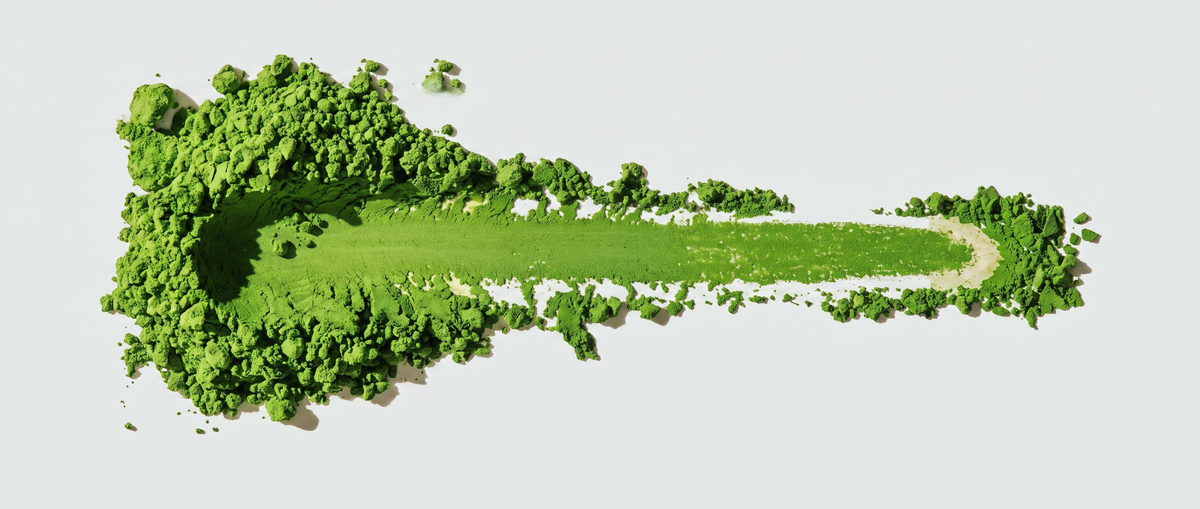
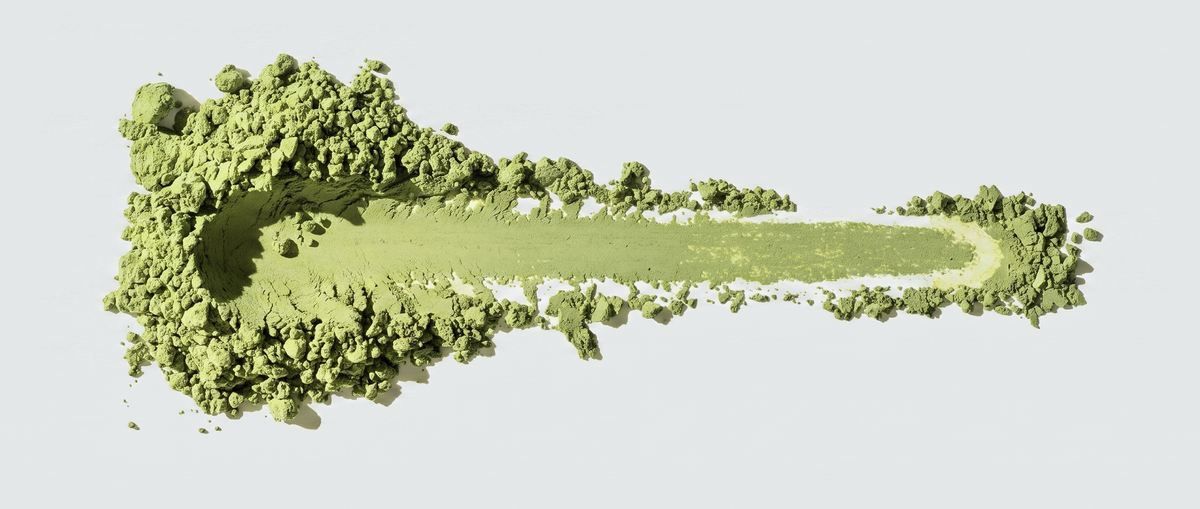
اللون
يشير اللون الأخضر النابض بالحياة إلى النضارة والجودة
Aroma
Fresh matcha should have a clean, expressive aroma. Depending on the cultivar, harvest, and production method, it may reveal sweet, creamy, vegetal, nutty, floral, fruity, coconut, woody, or caramel-like notes. It should not smell stale, musty, strongly fishy, or unpleasantly seaweed-like.
الملمس
بودرة ناعمة وملساء
تذوق
حلو بطبيعته مع مرارة بسيطة
المنشأ
يتم جلب شاي الماتشا عالي الجودة غالبًا من أوجي باليابان

درجات الماتشا
إن فهم درجات الماتشا يساعدك على اختيار الخيار الصحيح:
-

درجة احتفالية عالية
ناعم بشكل استثنائي، حلو بشكل طبيعي، مع طعم أومامي غني ونهاية حريرية طويلة، مثالي لأوسوتشا وكويتشا.
-

درجة احتفالية
ناعم، متوازن، مع حلاوة لطيفة، مثالي للاستخدام اليومي، ولجرعات الماتشا، ولصنع اللاتيه.
-

درجة قياسية
أكثر قوة وقابض قليلاً، الأنسب للمشروبات مثل اللاتيه والعصائر والوصفات.


No grade is inherently “better” than another — each is created for a different purpose. The best choice depends on how you plan to enjoy your matcha.
فوائد الماتشا

غني بمضادات الأكسدة
🌱 يحتوي بشكل طبيعي على الكاتيكينات التي تدعم الصحة العامة والتوازن اليومي.
يحتوي على إل-ثيانين
👀 يعزز الهدوء والطاقة المركزة ويساعد في خلق تأثير سلس ومستمر.
مصدر متوازن للكافيين
⚡️ يمنحك طاقة ثابتة بدون ارتفاعات أو انهيارات حادة، مما يجعله بديلاً لطيفًا للقهوة.
يدعم الروتين اليومي
🍵 سهل الاندماج في الروتين اليومي - من بداية الصباح إلى استراحة واعية خلال اليوم.
مُظلَّل لضمان الجودة
عملية التظليل التقليدية تعزز الأحماض الأمينية وتساهم في الحصول على طعم أكثر سلاسة وأقل مرارة.
الماشا مقابل القهوة
يحتوي كل من الماتشا والقهوة على الكافيين، لكن تأثيراتهما تختلف.
توفر الماتشا إطلاقًا تدريجيًا ومستدامًا للطاقة بفضل وجود الثيانين (L-theanine)، مما يخلق حالة من الهدوء والتركيز دون ارتفاعات حادة أو انهيارات مفاجئة في الطاقة.
-

MATCHA
Matcha is made from shade-grown tea leaves that are carefully processed into an ultra-fine powder. Instead of steeping the leaves, the powder is whisked directly into water, allowing you to enjoy the entire tea leaf. This creates a rich, creamy texture with pronounced umami, natural sweetness, and a vibrant emerald-green color.
-

REGULAR GREEN TEA
Regular green tea is prepared by steeping whole leaves in hot water, which are then removed before drinking. Most green teas are grown in full sunlight, resulting in a lighter-bodied infusion with a fresh, delicate flavor and a more subtle aroma. While both teas come from the same plant, their cultivation, preparation, and tasting experience are distinctly different.


How to make the perfect matcha
-

Sift the matcha
Sifting removes small clumps that naturally form in finely ground matcha. This helps the powder dissolve more evenly, creating a smoother texture and a finer layer of foam.
-

Use the right amount
For a traditional serving, use 1–2 g (about ½–1 teaspoon) of matcha. In Japan, cafés often use 3–4 g for a more intense flavor and richer body, especially in premium matcha lattes and matcha shots.
-

Water temperature
Use water between 75–85°C (167–185°F). Delicate, high-ceremonial grades are often best prepared at around 70°C, while other ceremonial matcha can be enjoyed at up to 80°C. Always check the recommended brewing temperature for your matcha.
-

Whisk properly
Use a traditional bamboo whisk (chasen) and whisk quickly in a W or M motion until a smooth layer of fine foam forms on the surface. Avoid stirring in circles, as this will not properly aerate the matcha.
-

Choose your milk
For matcha lattes, we recommend plant-based milk, as it complements rather than overpowers the delicate flavor of matcha. In Japan, however, matcha lattes are traditionally prepared with regular cow’s milk, while oat milk is the most common plant-based alternative.


كيف تصنع ماتشا لاتيه؟
سوف تحتاج إلى:
- 1-2 جرام ماتشا
- 30-50 مل ماء (70-80 درجة مئوية)
- 150-200 مل حليب (ساخن أو بارد)
التحضير:
اخفق الماتشا مع الماء حتى يصبح ناعمًا ورغويًا قليلًا. أضف الحليب الساخن أو البارد وحرك بلطف.
للحصول على طعم أحلى قليلًا، يمكنك إضافة كمية صغيرة من المُحلي إذا رغبت في ذلك.
اكتشف الماتشا اليابانية
هل تتطلع لتجربة الماتشا عالية الجودة؟ استكشف مجموعتنا المنتقاة بعناية من الشاي الياباني الذي يتم الحصول عليه مباشرة من أوجي.
FAQ
What is matcha?
Matcha is finely ground powder made from specially shade-grown Japanese green tea leaves. Unlike regular tea, you whisk the whole leaf into water and drink it entirely — which is why matcha delivers more flavor, more antioxidants, and its signature vibrant green color.
How is matcha different from regular green tea?
With regular green tea, you steep the leaves and throw them away. With matcha, the leaves are stone-ground into powder and consumed whole. This gives matcha a richer taste, a smoother energy, and far more of the nutrients found in the leaf.
What are the different grades of matcha?
We offer three grades. High ceremonial is our finest — the smoothest, most delicate matcha, made for drinking on its own. Ceremonial is an excellent everyday drinking grade, perfect for lattes and traditional preparation. Standard (culinary) is a robust grade made for cooking, baking, and blended drinks where a stronger flavor works well.
Which matcha grade should I choose?
If you drink matcha straight or as a simple latte, go for high ceremonial or ceremonial — they're smooth and never bitter. If you're baking, cooking, or making blended drinks where matcha is mixed with other strong flavors, standard (culinary) grade is the practical choice.
Does matcha have caffeine?
Yes. Matcha contains caffeine, but it comes paired with L-theanine, an amino acid that produces calm, steady energy without the spike and crash of coffee. Most people feel focused rather than jittery.
Is matcha good for you?
Matcha is rich in antioxidants — especially catechins — and because you drink the whole leaf, you get the full nutritional value in every cup. It's naturally a source of calm, sustained energy.
How should I store matcha?
Keep matcha in an airtight, opaque container away from light, heat, moisture, and strong smells like coffee or spices. Store it somewhere cool and dark. Once opened, use it within 1–2 months for the brightest color and flavor.